
Is Ozempic Killing the Food Truck Industry ? Trends Say Something is Changing.
Is Ozempic Killing the Food Truck Industry? Houston Trends Say Something’s Changing
Let’s talk about it.
Because no one in the food truck industry is saying it out loud… but everyone is noticing it.
Lines aren’t what they used to be.
People are walking up… then walking away.
Orders feel lighter. Quieter. Slower.
Sales declining
So here’s the uncomfortable question:
Is Ozempic quietly impacting the food truck industry?
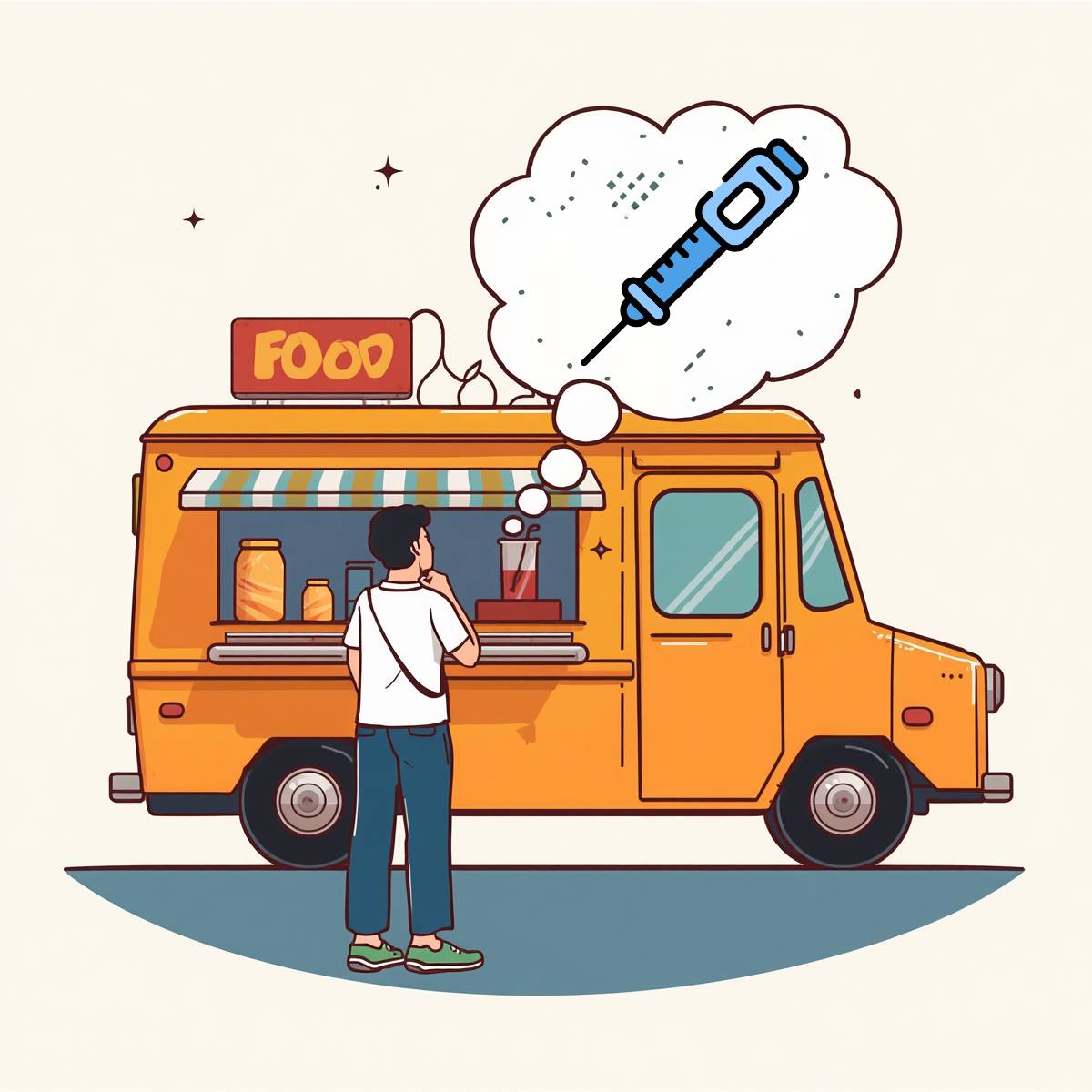
The Appetite Shift Is Real
Ozempic, originally created for type 2 diabetes, has become one of the most talked-about medications in the U.S. due to its weight loss effects.
And one of its biggest side effects?
👉 People eat less
👉 They feel full faster
👉 They snack less
👉 They skip meals entirely
Now apply that to how food trucks make money. Food trucks don’t just rely on hunger. They rely on impulse, cravings, and experience. And when appetite disappears… so does that spontaneous “let’s grab something” moment. Some want more bang for thier buck and expect large portions, others want smaller meal options simply because they can’t eat more due to diet restrictions, or drugs like ozempic.
What We’re Seeing Across Houston
At The Mobile Service Co., we operate across hundreds of properties and work directly with food trucks throughout Houston and other major cities across the US.
Here’s what’s happening on the ground:
• Customers browsing menus longer, but not ordering
• Groups splitting meals instead of buying individually
• Lower ticket sizes per customer
• Less repeat ordering during the same service window
Now let’s be clear, we know this isn’t just about Ozempic. There are so many other challenges going on that are impacting the food industry as a whole.
You’ve got:
Inflation
Work-from-home culture
Rising food costs
Economic pressure
Staffing issues due to immigration crackdown
But ignoring Ozempic’s role in changing eating behavior? That would be a mistake. Approximately 1 in 8 U.S. adults (roughly 12–13%) report having ever taken a GLP-1 drug like Ozempic or Wegovy to treat chronic conditions or for weight loss, according to a late-2025 KFF Health Tracking Poll. Other data suggests about 6% of U.S. adults, or more than 15 million people, are currently taking a GLP-1 drug as of mid-2024.
The Industry Isn’t Declining… It’s Being Disrupted
This isn’t a “food trucks are dying” narrative. This is a consumer behavior shift happening in real time. And the businesses that pay attention early? They win. Because here’s the truth:
👉 People still go out
👉 People still socialize
👉 People still want good food
They’re just consuming it differently.
The Smart Food Trucks Are Already Pivoting
The most successful food trucks right now aren’t ignoring the shift—they’re adapting to it.
We’re seeing:
• Smaller, more affordable portion options
• High-protein, “cleaner” menu items
• Shareable plates and sampler-style menus
• Lighter options that don’t feel heavy
Because if people are eating less…Then every bite has to feel worth it.
What This Means for the Future of Food Trucks
The food truck industry isn’t going anywhere. But it is evolving. And this shift could actually elevate the industry:
• More intentional menus
• Better branding
• Stronger customer experience
• Higher-quality offerings
The trucks that adapt will thrive. The ones that don’t? They’ll keep wondering where their customers went.
Final Thought
Whether it’s Ozempic, economic pressure, or lifestyle changes… The way people eat in 2026 is not the same as it was 3 years ago. And if you’re in the food business, you need to be paying attention otherwise you’ll pay with declining sales.
👉 Want to book top-performing food trucks that are adapting to today’s market?
Visit The Mobile Service Co. and bring a smarter food experience to your property.